More Than 100K Memphis Residents Left Without Power [Op-Ed]
Storms Leave More Than 100K Memphis Residents Without Power, Forced To Conserve Water, Too [Op-Ed]
Why does it seem like when natural disasters strike, it’s always the poorest, Blackest, most underserved communities that get hit the worst and take the longest to recover?
Over the weekend, more than 100,000 households across Memphis, Tennessee, lost electricity due to a severe thunderstorm, and, according to Capital B News, on Monday, roughly 50,000 residents in the city were still without power.
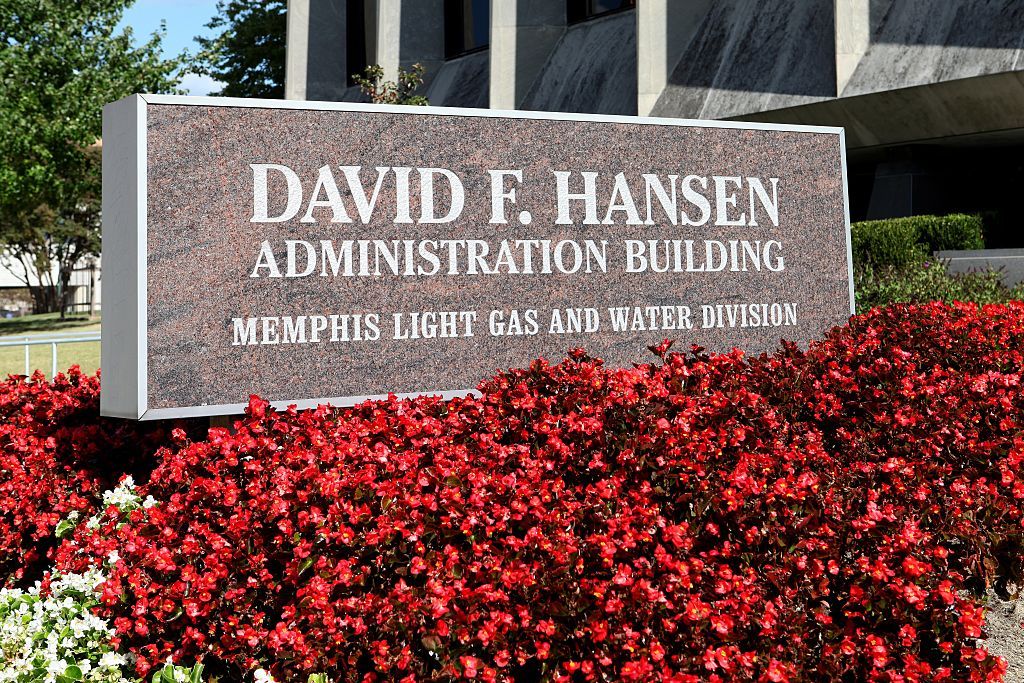
Actually, Memphis Light, Gas & Water (MLGW) reported that upwards of 140,000 customers lost power due to the storm that began Saturday, and, on top of all that, the utility company has requested that its customers in this 62% Black city conserve water as the water treatment plants recover from the power outage, and avoid tasks such as washing their vehicles and watering their lawns, according to ABC 24.
WATE reported that 34 Memphis-Shelby County schools and five private schools have been affected by the storm. Action News 5 provided a list of 18 schools that will be closed through Tuesday, but said, “all other MSCS schools will operate on normal schedules following a district-wide off day Monday.”
MLGW reported that everyone’s power will be restored by Thursday, and Memphis Mayor Paul Young tweeted Sunday that power “has been restored for 90% of our households,” but that figure seems to conflict with what media outlets and MLGW reported on Monday.
So, there’s a lot of confusion and conflicting reports about when the crisis will end for everyone, with some residents reportedly facing the possibility of going nearly a week without power during sweltering heat.
And, again, this seems to be the norm, especially when it comes to areas occupied largely by Black people and people of color.
From Capital B:
The same story is playing out in Gary, Indiana, a city that is 76% Black, where tens of thousands have now gone nearly two weeks without power. For Black and low-income families, the loss of power can quickly turn fatal. This month, a Black family was found dead in their Rocky Mount, North Carolina, home after losing power for an unpaid bill.
When the power goes out in America, it does not go out equally. Research has found that Black communities face higher odds of outages and longer-duration interruptions. In Memphis and Gary, residents and elected officials say those disparities are compounded by poverty, aging infrastructure, and rising pressure on regional power systems.
High minority areas are four times as likely to suffer a blackout compared to predominantly white areas, and, specifically, being Black is associated with nearly two times higher odds of experiencing an outage lasting 24 consecutive hours than white households.
This is why Black people make so much noise over Black cities like Memphis being targeted for the placement of AI data centers by tech billionaires like Elon Musk, who promise the underserved Black residents that these centers will cause it to start raining jobs in their neighborhoods, apparently with the hopes that residents will simply forget about the added air and water pollution. It’s clear the infrastructure in these communities is already vulnerable enough, and it’s costing Black people their lives.
Memphis residents may have their power back by the end of this week, but what’s being done about the underlying issues in the long term?
SEE ALSO:
Indiana Power Outages: After More Than A Week Without Power, Gary Residents Turn To Social Media For Help
2 Phoenix Cops Fired, Arrested On Assault, Kidnapping Charges [Op-Ed]
Storms Leave More Than 100K Memphis Residents Without Power, Forced To Conserve Water, Too [Op-Ed] was originally published on newsone.com


